
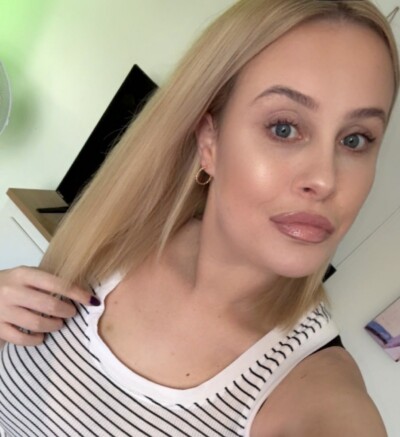
 My name is Rebecca and I am 34 years old. In 2024, I was diagnosed with a rare primary immunodeficiency called panhypogammaglobulinaemia.
Panhypogammaglobulinaemia means my body has very low levels of antibodies, making it much harder to fight infections. It is an invisible condition that affects every aspect of my life, yet many people have never heard of it.
Living with a primary immunodeficiency
One of the hardest things about living with a primary immunodeficiency is the unpredictability. There is no such thing as a "normal" day for me. Everything depends on whether I have an infection or how much energy I used the day before.
On my better days, I can spend time with my family, enjoy everyday activities and get a few jobs done around the house. But on other days, fatigue completely takes over. I can find myself confined to bed, dealing with headaches, body aches, overwhelming exhaustion and the constant worry of picking up another infection.
What people often see are the moments when I am managing to push through. What they do not see are the days afterwards when I am recovering and paying the price physically. Living with an invisible illness means that much of the struggle happens behind closed doors.
Administering immunoglobulin therapy at home
To stay well, I have to administer my own medication at home. This involves clean and sterile setups to inject immunoglobulin therapy into my stomach and thigh using three needles. Immunoglobulins are proteins produced by the immune system that help recognise and fight bacteria, viruses, and other harmful organisms. For people whose bodies do not produce enough immunoglobulins, or whose antibodies do not function properly, immunoglobulin (Ig) therapy can provide temporary protection against infection.
It was incredibly scary and daunting at first, but now that I can do it myself, I feel like I can take on the world.
My support network
I am incredibly grateful for the support network around me. My daughter's dad Tom, my best friend Charlotte, and my daughter Daisy have all been there for me throughout this journey. Daisy is especially brave, she often holds my hand during treatments when they hurt, reminding me that I am never facing this alone.
Because immunodeficiencies are often invisible, the challenges faced by those living with them can go unnoticed and misunderstood.
Raising awareness
I decided to share my story to help raise awareness of primary immunodeficiencies and give people a better understanding of what life with a rare immune condition can look like.
My advice for others
If I could give any advice, it would be to give yourself grace. It's okay to grieve the life you thought you would have, and it's okay to have days where you struggle. Living with an immunodeficiency can be unpredictable and overwhelming, but a diagnosis doesn't mean your life is over.
Listen to your body and don't compare yourself to others. Some days you may be able to do more than others, and that's okay. Celebrate the good days and be kind to yourself on the difficult ones. People often only see the moments we push through, not the days we spend recovering afterwards, and that's the reality of many invisible illnesses.
Most importantly, please remember that you are not alone. There is support out there, and there are others living with immunodeficiencies who truly understand what you're going through. You are stronger than you realise, and although life may look different to what you imagined, it can still be full of love, joy and hope.
Posted June 2026


