
On this webpage, you will find information and FAQs about COVID-19 vaccines (updated 6th October 2026).
Booking for the Autumn COVID-19 vaccination programme is open for appointments from the 1st October 2026.
Why getting vaccinated is important
The NHS recommends topping up your protection against COVID-19 if you are in the defined high-risk group listed above. Evidence from the UK Health Security Agency shows that people who had a vaccination were less likely to be admitted to hospital for up to two months afterwards, compared to people who did not have one.
The Stratification of Clinically Vulnerable People for COVID-19 Risk Using Antibody Testing (STRAVINSKY) research study also provides supportive evidence for having a COVID-19 vaccination.
We encourage you to take up the offer of vaccination as it will help reduce the chances of you developing severe COVID-19 disease.
Eligibility for Autumn 2026
You can get a COVID-19 vaccine if you:
- are aged 75 or over (including those who will be 75 by 31 January 2027)
- are aged 6 months to 74 years and have a weakened immune system because of a health condition or treatment. See Box 1 of the Green Book.
- live in a care home for older adults
Further information:
- A guide to the COVID-19 autumn vaccination – GOV.UK
- JCVI statement on COVID-19 vaccination in autumn 2026 and spring 2027 – GOV.UK
How can I get my Autumn COVID-19 vaccination?
If you’re eligible for the winter COVID-19 vaccine, you can book a COVID-19 vaccination appointment online or in the NHS App now.
Vaccination appointments will take place from 1 October 2026.
From 1 October 2026, you may also be able to get vaccinated at:
- a walk-in COVID-19 vaccination site
- a local service, such as a community pharmacy or your GP surgery
- your care home (if you live in a care home for older adults)
You do not need to wait for an invitation before booking an appointment.
Timing of your vaccination
It’s recommended that you get the Autumn COVID-19 vaccination 6 months after your last dose. It must be at least 3 months (91 days) since your last COVID-19 vaccination. You can get your Autumn COVID-19 vaccination regardless of whether you’ve had a COVID-19 vaccination before.
Who cannot take up the offer of a COVID-19 vaccine?
There are very few eligible people who should not have a dose this autumn/winter. If you have had a severe reaction to a previous dose of the vaccine, you should discuss this with your doctor.
Can I get the COVID-19 vaccine even if I have not had any previous doses?
If eligible, you can get protection from a COVID-19 vaccination even if you have not taken up a COVID-19 vaccine offer in the past. Most people do not need extra vaccinations to make up for any they have missed, but your doctor may advise a further dose if you have a severely weakened immune system.
Getting re-vaccinated after a stem cell transplant
Anthony Nolan has information about re-vaccination following a stem cell transplant.
If I’m not eligible, can I get a COVID-19 vaccination privately?
You can get a COVID-19 vaccination privately. This may be of interest if you live with, or have regular contact with, someone who has a poorly functioning immune system and you don’t qualify for the national vaccination programme.
Check with your local pharmacies whether they can offer this service. A vaccination can cost from £80 up to £140, depending on the provider and the vaccine type.
Side effects of the COVID-19 vaccine
The most common side effects of the COVID-19 vaccine are mild and get better within a week.
They can include:
- a sore arm from the injection
- feeling tired
- a headache
- feeling achy
- mild flu-like symptoms
The vaccine cannot give you a COVID-19 infection.
How can I report a side effect of the vaccine?
You can report side effects at the COVID-19 Yellow Card website.
Dr Tehseen Khan, GP and NHS Vaccination Programme Clinical Advisor has provided us with a statement on the COVID-19 vaccination programme:
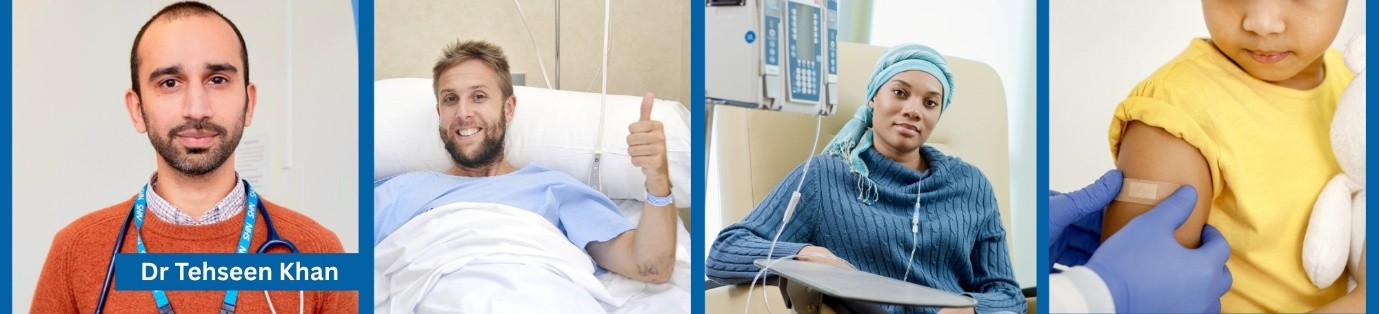
“If you are living with a primary immunodeficiency (PID) or a secondary immunodeficiency (SID), how your body’s immune system works is affected, meaning you have reduced defence against viruses, such as COVID-19.
Secondary immunodeficiency can be caused by medical treatments that suppress the immune system. For example, chemotherapy, which is used to treat cancer, reduces the number of white blood cells, making it harder for the body to fight infections. Immunosuppressant drugs, often given after organ transplants or to treat autoimmune diseases such as rheumatoid arthritis or lupus, deliberately lower immune activity to prevent the body from attacking itself.
In addition, long‑term or high‑dose corticosteroid treatment, commonly used for conditions like asthma or inflammatory diseases, can weaken the immune response over time. As a result, people receiving these treatments are more likely to develop infections and may experience secondary immunodeficiency.
COVID-19 vaccines help reduce your risk of getting severe symptoms, recover more quickly if you do catch COVID-19 and reduces your risk of needing hospital care. They do not contain any live virus and cannot cause the disease itself.
Vaccines work by training your body’s immune system to recognise specific infections. Side effects of the vaccine are usually mild and show that your body is producing antibodies to protect itself.
If you have questions or concerns, I encourage you to speak to your medical team as they can provide evidence-based information.”
Frequently asked questions
Updated 6th October 2026.


